


WHAT’S IT ABOUT
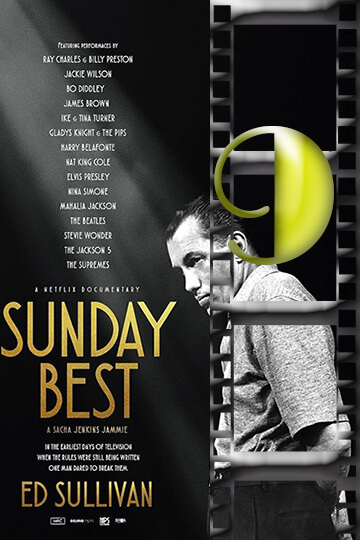
Ed Sullivan broke barriers by booking Black artists on his Sunday night variety show. This documentary spotlights the TV pioneer’s legacy of equality.
MOVIESinMO REVIEW
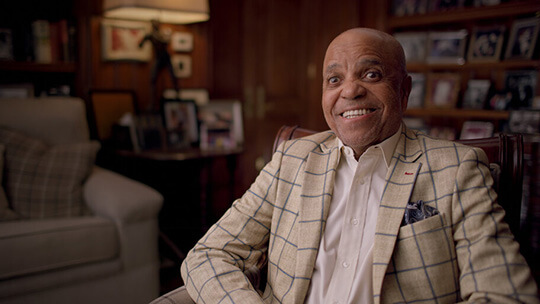
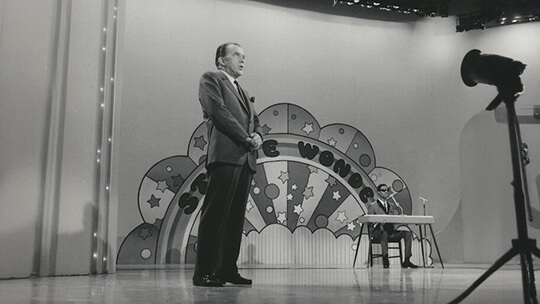
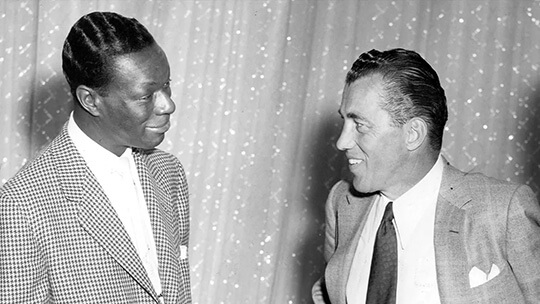
Picture this scene from the 1960s. Black families across America rush to their living rooms every Sunday night, calling out to their neighbors when they spot something amazing on their television screens. They see people who look like them performing on the biggest stage in the country. This moment captures the heart of “Sunday Best,” a powerful documentary that reveals how one white television host quietly fought racism during America’s most divided era. Director Sacha Jenkins crafted this film as his final masterpiece before passing away in May 2025. Jenkins, who previously explored Black culture through documentaries about Wu-Tang Clan and Rick James, delivers something completely different here. He shows us Ed Sullivan not just as an entertainer, but as someone who used his massive platform to challenge an unfair system. The documentary opens with modern celebrities sharing their thoughts about Sullivan’s impact. Stars like Bruce Springsteen and Ice-T explain how this man shaped American culture. Then Jenkins takes us back to 1948, when Sullivan’s variety show first appeared on CBS. During this time, most Americans had never seen Black performers on television except for racist portrayals on shows like “Amos ‘n’ Andy.” Sullivan grew up in Harlem during the early 1900s when Irish and Jewish families lived there. His parents taught him to treat everyone with respect, no matter their background. This lesson stayed with him throughout his life. When he worked as a sports writer, Sullivan witnessed how colleges treated Black athletes unfairly. He wrote articles criticizing these practices, showing his willingness to speak up for what was right. The film reveals how Sullivan discovered his love for entertainment while covering Broadway shows. He became the host of popular events in New York City, where he met many Black vaudeville performers. These friendships influenced his decisions when he got his own television show. Jenkins uses a clever storytelling technique throughout the documentary. He combines rare footage of legendary performances with Sullivan’s own words, brought to life through artificial intelligence technology. While this creates an unusual effect, it allows viewers to hear Sullivan’s thoughts about his mission to showcase talented artists regardless of their race. The documentary shows us incredible performances that made history. We watch an eleven-year-old Stevie Wonder amaze audiences with his musical genius. Diana Ross and The Supremes captivate viewers with their glamour and talent. The Jackson 5, featuring a young Michael Jackson, displays the energy that would make them global superstars. These moments remind us why Sullivan’s show became appointment television for millions of families. What makes this story remarkable is the courage it required. Southern politicians and business leaders constantly pressured Sullivan to stop featuring Black artists. Governor Herman Talmadge of Georgia demanded that television shows maintain segregation. Advertisers worried about losing viewers in the South. Sullivan faced these challenges but never backed down from his beliefs. The documentary presents the harsh reality of this time period without sugar-coating anything. We see footage of Ku Klux Klan rallies and hear racist politicians express their hateful views openly. These scenes contrast sharply with the beautiful performances on Sullivan’s stage, highlighting the progress his show represented. Jenkins interviews several artists who appeared on the show, including Smokey Robinson, Dionne Warwick, and Berry Gordy. Their stories reveal how Sullivan personally supported Black entertainers beyond just booking them for performances. When Harry Belafonte faced blacklisting for his political beliefs, Sullivan remained loyal to their friendship. This loyalty meant everything to artists who faced constant discrimination in their daily lives. The film connects Sullivan’s work to the broader civil rights movement. When Martin Luther King Jr. organized the March on Washington, Sullivan had already been promoting racial integration for fifteen years through his show. The documentary suggests that entertainment helped prepare America for the changes that activists demanded. Berry Gordy, founder of Motown Records, explains how Sullivan’s platform helped his artists reach white audiences across the country. Without this exposure, legendary performers like The Temptations and The Four Tops might never have achieved mainstream success. Sullivan understood that music could bring people together in ways that politics alone could not accomplish. The documentary maintains perfect pacing throughout its eighty-minute runtime. Jenkins avoids overwhelming viewers with too much information while still covering the important details. The soundtrack pulses with energy, featuring many of the classic songs that first aired on Sullivan’s show. These musical moments create an emotional connection that makes the historical lessons more powerful. One touching aspect of the film involves showing how Sullivan’s influence continues today. The documentary mentions that Stephen Colbert now hosts his show from the same theater where Sullivan once worked. Like his predecessor, Colbert uses comedy and music to challenge injustice in modern America, though recent network decisions have ended his show. “Sunday Best” succeeds because it avoids making Sullivan seem perfect. The film acknowledges that he was a product of his time while celebrating his willingness to do what was right. Jenkins presents Sullivan as someone who recognized his privilege and used it to help others, rather than as a savior figure. The documentary also honors the courage of the Black artists who appeared on Sullivan’s show. Performing on television during the 1950s and 1960s required incredible bravery. These artists faced death threats, boycotts, and constant discrimination. Yet they continued performing because they understood the importance of representation. This film arrives at a perfect time when America continues struggling with racial issues. Jenkins reminds us that progress happens when people work together across racial lines. Sullivan’s story proves that one person with a platform can create meaningful change, even when facing enormous pressure to maintain the status quo. The documentary’s greatest strength lies in its ability to educate without preaching. Young viewers will learn about this important period in American history while enjoying amazing musical performances. Older viewers will remember why these artists meant so much to their communities. “Sunday Best” serves as both entertainment and education. It celebrates the power of music to unite people while acknowledging the work still needed to create true equality. Jenkins created a lasting tribute to both Ed Sullivan and the incredible artists who graced his stage. This documentary deserves recognition as one of the year’s most important films. It reminds us that change happens when brave individuals decide to challenge unfair systems. Sullivan’s legacy lives on through the artists he supported and the barriers he helped break down. For anyone interested in American history, civil rights, or simply great music, “Sunday Best” offers an essential viewing experience that will leave you inspired and informed.
OUR RATING – AN EMPOWERING 9