

WHAT’S IT ABOUT
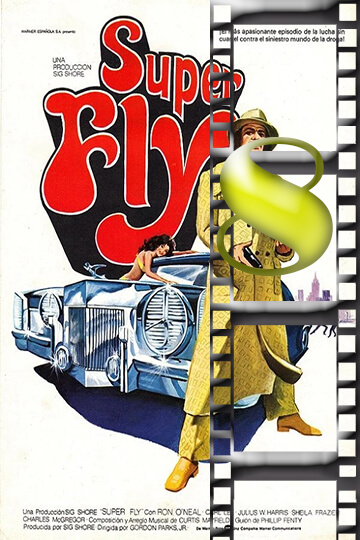
Priest (Ron O’Neal), a suave top-rung New York City drug dealer, decides that he wants to get out of his dangerous trade. Working with his reluctant friend, Eddie (Carl Lee), Priest devises a scheme that will allow him make a big deal and then retire. When a desperate street dealer informs the police of Priest’s activities, Priest is forced into an uncomfortable arrangement with corrupt narcotics officers. Setting his plan in motion, he aims to both leave the business and stick it to the man.
MOVIESinMO REVIEW
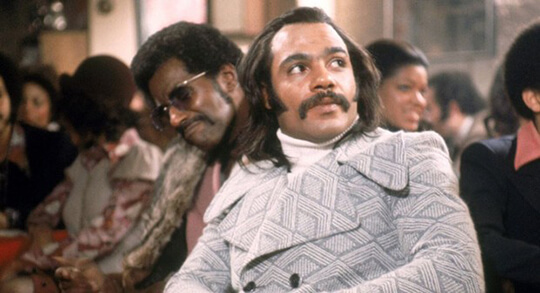
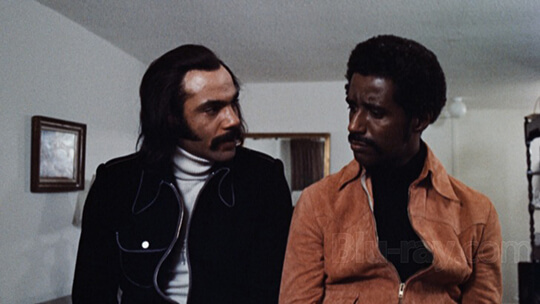
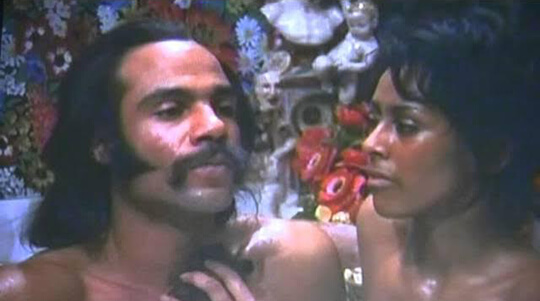
When Gordon Parks Jr.’s “Super Fly” landed in 1972, it came crashing down like a cultural meteor, one of the most lucrative and contentious films of the blaxploitation era. As a Black critic looking back at this landmark film, I’m caught between applauding its trailblazing aspects while acknowledging the problematic elements that have only grown more apparent with the passing of the years. Super Fly” was both acclaimed and criticized when it came out. The film follows Youngblood Priest (Ron O’Neal), a cocaine dealer who wishes to make one final, big score in the drug trade before quitting the business for good. While some critics and audiences admired its gritty realism and the rare opportunity to see Black characters in control of their own fate, others—among them many Black community leaders and organizations like the NAACP—condemned it for glamorizing the drug trade and depicting negative stereotypes. What made “Super Fly” stand out from other blaxploitation films was its technical sophistication. The cinematography by James Signorelli captured Harlem with an authenticity rarely seen in mainstream cinema of the time. More significantly, Curtis Mayfield’s soundtrack was not background music—it was social commentary that consistently functioned in counterpoint to the film’s visuals, with songs such as “Pusherman” and “Freddie’s Dead” providing a moral perspective that complicated the film’s apparent glorification of the drug dealer lifestyle. O’Neal’s performance as Priest remains engrossing. A complicated antihero trying his best to make it through the system set up against him. His character’s determination to leave the game on his own terms represented a type of existential Black freedom that echoed with the audience as they were tired of Black characters always being the sidekick or victim. The ending of the movie, with Priest outwitting corrupt white police officers, was particularly cathartic for Black audiences accustomed to seeing justice evade individuals on screen and in life. By today’s standards, however, “Super Fly” has its faults. Most glaring is the film’s treatment of women. Women are largely sexual objects or accessories to male characters—a common failing of the time but one that will be difficult for modern audiences to overlook. Georgia (Sheila Frazier), Priest’s ostensible main love interest, possesses no character beyond her devotion to him. The film’s attitude toward drug dealing is ambiguous. While “Super Fly” doesn’t shy away from showing the devastating impact of cocaine on the community, it also glamorizes Priest’s lifestyle via his flashy clothes, customized Cadillac El Dorado, and sexploits. This tension, which perhaps felt sophisticated in 1972, is more unsettling half a century later in light of our greater awareness of how the drug trade has devastated Black communities. What lingers about “Super Fly,” then, is its unapologetic portrayal of institutional racism and corruption. Priest is not just contending with rival dealers but, as a Black man, with a system where white cops are profiting from Black pain. This is the part of the film that, sadly, is timeless and gives it the largest social commentary. Would today’s audiences embrace “Super Fly”? I believe they would, with some reservations. Today’s audiences, with their greater media literacy, would likely embrace the film as a cultural artifact while also recognizing its shortcomings. The film’s style—from fashion to Mayfield’s transcendent soundtrack—continues to influence music videos, fashion, and film to this day. Its visual lexicon has been invoked by filmmakers from Quentin Tarantino to Barry Jenkins, a testament to its lasting impact on film aesthetics. For Black audiences specifically, “Super Fly” occupies a complex space. It was a moment when Black filmmakers were finally making movies about Black life, even when those movies sometimes traded in stereotypes. The legacy of the film cannot be divorced from this paradox—it opened doors while sometimes reinforcing the very narratives it sought to complicate. What still makes “Super Fly” worth watching is its air of authenticity. Unlike most studio films about urban Black life (then or now), Parks Jr. was in a position to take an insider’s approach to Harlem. The community is not only a setting, but it is also a character in the film, with all of its troubles and its vitality. This realism creates a documentary feel for the movie that is powerful enough to counterbalance or at least temper the director’s more voyeuristic impulses. The politics of the film matter, too. Priest’s struggle to escape a system set up to consume him resonates with contemporary conversations on economic mobility and systemic barriers. His acknowledgment that the American Dream is on another set of terms for him than for his white friends resonates with contemporary arguments on racial disparity in America. If “Super Fly” were released today, it would certainly be criticized for its portrayal of women and its occasional glamorization of the drug trade. But I believe it would also be hailed for its technical achievements and the moral sophistication of its hero. A modern retread would likely feature more empowered female characters and a more overt critique of the drug economy, but the underlying story of a Black man who refuses to allow anyone else to define his success continues to resonate. In the end, “Super Fly” is a movie that is very much a product of its time and also manages to transcend it in surprising ways. Its flaws do exist and are significant, but so does its artistic achievement and its cultural relevance. For contemporary audiences, it offers a window into a pivotal moment of Black cinema—a moment where Black filmmakers were still discovering what it meant to make authentic Black films within and against a system that had historically excluded them. The film remains, above all else, a testament to the challenge of creating art that entertains, represents, and challenges simultaneously—a balancing act Black filmmakers are still forced to perform today.
OUR RATING – A SYSTEMIC 8