

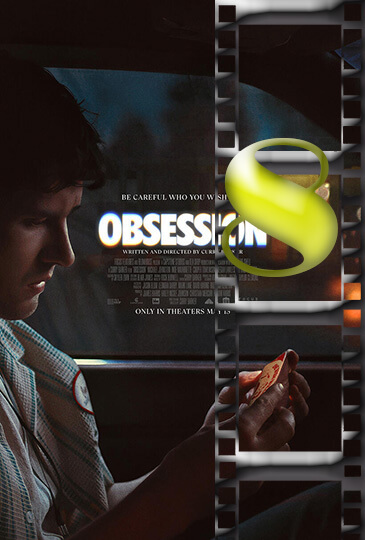

What’s It About
After breaking the mysterious “One Wish Willow” to win his crush’s heart, a hopeless romantic finds himself getting exactly what he asked for but soon discovers that some desires come at a dark, sinister price.
MOVIESinMO REVIEW
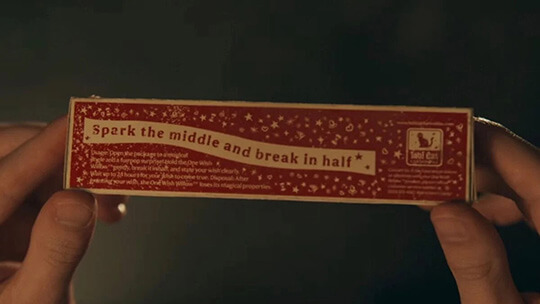
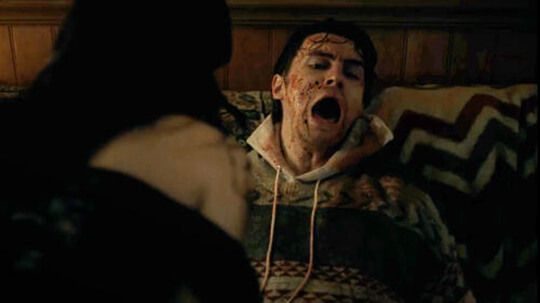
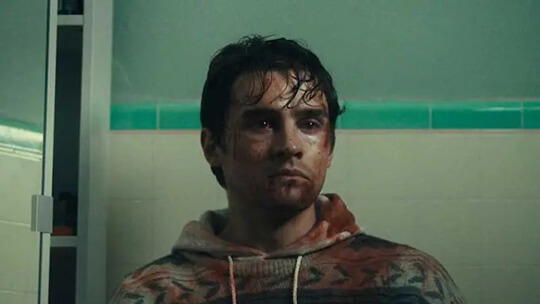
Once in a while, a horror movie opens its way into your mind and doesn’t want to go. One totally fits this bill, namely the debut feature directing from Curry Barker, and also the writer of “Obsessed.” This movie opens with a calm, almost normal pace and tends to get tighter and tighter around your throat until at last, you can’t even supply any more air to your lungs. By the time the film’s credits roll, you’ve just been awakened out of one of those dreams where it starts off okay and then becomes a nightmare at some point. Not only is the movie good, but it’s also needed. The story centers on Bear, played by Michael Johnston, a young man in his twenties who works at a music store alongside his friend group. Bear has carried a deep, painful crush on his coworker Nikki for years. He cannot bring himself to tell her how he feels. Not because he refuses to. Because the fear owns him completely. Johnston plays this character without giving him easy charm or comfort. Bear is passive, anxious, and quietly selfish in the way that only truly lonely people can be. He mistakes his longing for love and his silence for patience. The film wastes no time showing us that these are not the same things at all. When Bear discovers a novelty called the One Wish Willow in a small gift store, that is when the plot changes. What he buys costs less than a dinner combo in a fast-food restaurant and fits right in with the mood crystals and incense sticks. He breaks it to make a wish that Nikki will love him like no one ever has loved him before. His wish comes true, but from that point on, everything falls apart. The difference between Obsession and a typical cautionary tale is that Barker never sets out to give anyone a free pass. Bear gets exactly what he desired; however, he must pretend as though he doesn’t know what he actually did. He keeps telling himself he loves Nikki even though the real Nikki has disappeared. An entity with Nikki’s face has taken control of her life & is stretching her body further than it has ever been stretched, in order to make Bear happy. The horror of what is happening is constructed not only from the supernatural elements present but also because of how we are forced to recognize the moral implications of Bear’s decision. Inde Navarrette gives such a performance that stops you in your tracks and makes you look at her differently. In the early scenes, Nikki brings not just warmth and reality but also makes us want to know her as a person. But once the wish takes over, and she goes from being warm and fuzzy to terrifying and tragic, she transforms into a combination of both. This transformation doesn’t take place in the traditional sense of possession, as one has seen from someone with a disturbed look on their face, but through the use of an overly happy, wildly exaggerated smile; laughing too late; and occasionally crying with fear inside before disappearing again. Those small instances of realizing how devastatingly bad things are before being pulled back into “possession” are the greatest form of suffering in this film. This actress does not portray a typical villain for us; rather, she depicts a tortured soul (a prisoner). The distinction between the two is very well established and resonated strongly. The supporting actors shine in their roles. Megan Lawless’s role as Sarah is the most moral character in the entire film, as the script makes her the most moral pole that sustains the film. Every time she appears in a scene, the tone is lighter and more truthful, and the weight of her presence makes the darkness that everyone else lives in more pronounced. Cooper Tomlinson, playing Bear’s oldest friend, Ian, is as disingenuous about his values as he is about the way he guides Bear down a path that will lead to disaster. The film is also clever enough to display more than Ian would ever agree to recognize if it came down to it—you could definitely draw comparisons between Ian and Bear. The direction by Barker communicates confidence without trying to announce itself. The film has a slightly worn texture to the visual style, akin to footage from some elusive decade in the past. The framing of the images creates a general sense of being off-balanced while presenting the shot to the viewer; you cannot help but feel enclosed or trapped or subject to observation on screen. The musical score is layered and indicative of older compositional techniques, which gives the feeling of increased tension in the film, even when images offer no overt tension. The director’s stylistic choices serve the purpose of offering a genuine story to be told within the film. There are some minor flaws in the film. Certain performances are not very good, but the unevenness seems to be in keeping with the film’s overall homemade aesthetic. Additionally, there are several instances throughout the film where Barker leans heavily on familiar setups, but he handles them differently than most other filmmakers because he anchors them so strongly in the emotional reality of the characters found throughout the film. The film never gives off the impression of being lazy; it always feels intentional. The third and final act arrives like a door bursting open. When the violence begins, it is both sudden and brutal, followed almost immediately by a deafening silence that the audience fills in with their own minds. The final shot of the film leaves the viewer with a dark seed planted in their mind that grows after they leave the theatre. This accomplishment is not that common. Most movies are quickly forgotten after the audience leaves; however, Obsession’s imprint remains long after it has played. What Barker ultimately builds here is a film about what happens when a person decides that their longing matters more than another person’s freedom. Bear does not see himself as dangerous. That is exactly what makes him dangerous. This story belongs to a long tradition of horror that uses the supernatural to expose something true about human behavior. The difference is that Obsession does it with emotional precision and genuine filmmaking craft, on what was clearly a tight budget, without apology and without compromise. That is the mark of a real filmmaker. And this is a real film.
OUR RATING – AN EXHAUSTIVE 8
MEDIA
- Genre – Horror
Street date
- Digital – June 30, 2026
- 4K/Blu-Ray/DVD – July 14, 2026
- Video – 1080p
- Screen size 1.50:1
- Sound – English: Dolby Atmos, English: Dolby TrueHD 7.1, Spanish: Dolby Digital 5.1, French: Dolby Digital 5.1, Audio descriptive
- Subtitles – English SDH, French, Spanish
Extras
- FEATURE COMMENTARY WITH DIRECTOR/WRITER/EDITOR CURRY BARKER
- OBSESSION UNLEASHED – Take the obsession further by going behind the scenes with filmmaker Curry Barker and the cast, Michael Johnston, Inde Navarrette, Cooper Tomlinson and Megan Lawless, to see them create a wild horror story out of intense performances and shocking scares. Hear the cast reflect on their most memorable scenes, get a peek at Michael and Inde’s chemistry test that sparked the film’s emotional core, and see how their collaboration shaped the film’s most unsettling moments.