

What’s It About
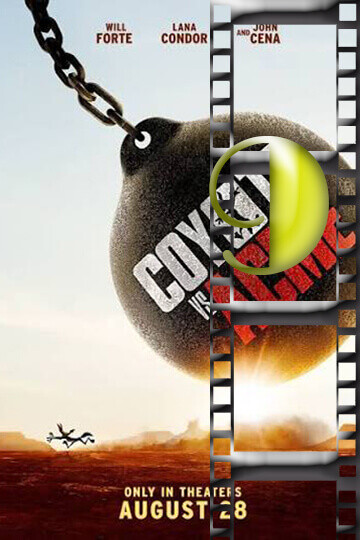
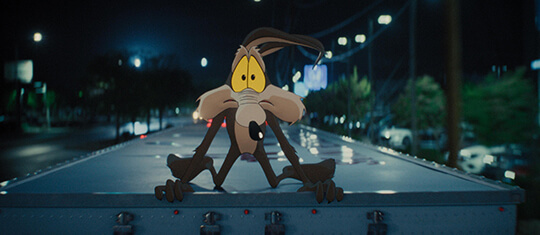
After Acme products fail him one too many times in his dogged pursuit of the Roadrunner, Wile E. Coyote decides to hire a billboard lawyer to sue the Acme Corporation.
MOVIESinMO REVIEW
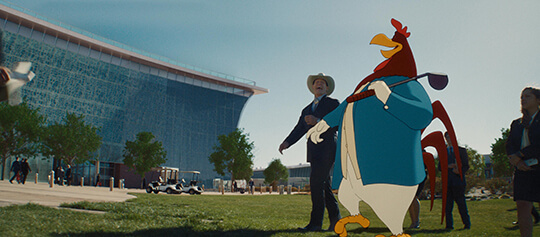
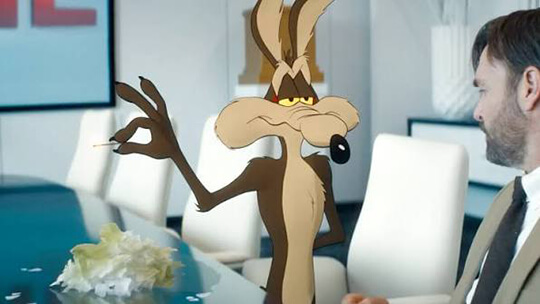
If you watch enough movies, you discover that certain movies land differently depending on who’s watching it. Growing up Black, you learn real fast that stories about the underdog, about somebody the whole system is set up against, carry a weight that not everyone in the room feels the same way. Think about the X-Men series. Privileged people walked out of those movies thinking it was just about mutants with cool powers. But for a lot of us, those films were about something else entirely. They were about being seen as less than. Being pushed out. Fighting for a place in a world that was never designed with you in mind. Coyote vs. Acme operates the same way. If you walk in just looking for laughs, you will find plenty. But for those of us that actually know what it feels like to lose again and again and still get back up, this movie will reach somewhere deep inside you and stay there. And make no mistake: it also works beautifully as a straight-up movie on its own terms. The premise sounds like a comedy sketch. Wile E. Coyote, after decades of buying broken products from the Acme Corporation and getting blown up, crushed, launched off cliffs, and dropped into canyons, finally decides he has had enough. He is done chasing the Road Runner with garbage equipment. He is suing. The whole concept started as a joke article in a 1990 issue of The New Yorker magazine, but director Dave Green and writer Samy Burch took that small idea and built something real with it. This is not just a gag stretched too long. This is a genuine underdog story, the kind that belongs right next to Who Framed Roger Rabbit and Mr. Smith Goes to Washington in terms of what it is actually saying about power. Wile E. teams up with Kevin Avery, a small-time lawyer played by Will Forte, whose firm name quietly honors animation legends Tex Avery, Chuck Jones, and Michael Maltese, a sharp little detail for anyone who knows their cartoon history. Avery is the type of guy who takes the easy settlement and never rocks the boat. He has no interest in going after Acme, which in this world carries the same kind of weight as Apple or Microsoft. But Wile E. refuses the small check. The mountains of evidence he brings force Avery to finally step up and face Buddy Crane, played by a very committed John Cena, Acme’s imposing head lawyer. Physically, financially, and in almost every other way, the matchup looks completely one-sided. But do not underestimate Avery. His niece Paige, played with genuine heart by Lana Condor, keeps pushing him forward, and together they become a team worth investing in. On the other side, Acme CEO Foghorn Leghorn (Eric Bauza) handles most of the classic Looney Tunes characters along with Candi Milo (Granny, Miss Prissy, Witch Hazel). Ultimately, deciding to use experienced voice veterans was exactly right. The classic characters throughout the movie, and the cartoon version of Peter Lorre at the start, mixed with the real world in ways that feel creative rather than gimmicky. The animation and live action blend together seamlessly with clear intention and real craft. What the film does best is give Wile E. Coyote an actual soul. He stays completely silent throughout the entire movie, communicating only through hand-drawn signs. Most of us know he can talk, but whatever, through the way the animators move his face and eyes, he ends up being the most expressive character on screen. You feel everything that happens to him. The filmmakers draw on the ancient Greek myth of Sisyphus, the figure condemned to push a boulder up a hill forever, as a direct comparison to Wile E.’s whole existence. Acme even named their secret program to deliberately sell broken products “Project Sisyphus,” which gives the satire a sharp and pointed edge. This company knew their products were broken. They kept selling them anyway. Sound familiar? That is exactly where the film’s political strength lives. Coyote vs. Acme takes direct aim at corporate greed, at companies too big to be held accountable, and at a system that grinds ordinary people, and ordinary coyotes, into the ground. The fact that Warner Bros. originally buried this movie and tried to write it off as a tax break is almost too fitting to be real. Basically, this movie about a fake corporation hiding the damage it causes was almost unseen by a real corporation hiding its own damage. So, is that life imitating art or the other way around? Either way, Ketchup Entertainment stepped in and made sure the world finally got to see it. That story alone makes Coyote vs. Acme feel like something worth celebrating before you even sit down in your seat. Identifying the obvious flaws: Some of the human characters are depicted rather shallowly, and at some points in the middle section, the momentum of the story dies down. However, none of this takes away from the essence of the story. The emotional conclusion makes it all worth it. When the Road Runner eventually takes the stand as a witness and states his truth, everything changes with the film. The two characters most definitely needed each other in a way that neither could comprehend. The Road Runner is aware of it, and this realization hits you unexpectedly. Coyote Vs. Acme has humor, sincerity, and more warmth than you could expect from a movie that has had such a hard way to arrive in theaters, and the message contained in the movie was simple: losing is not what defines you. It doesn’t matter if you’ve lost once or a thousand times. What’s important is what you do after the loss. No matter what your “roadrunner” is, and what you dream about every single morning before getting out of bed, this movie gives dap to the law of chase.
OUR RATING – A PERSISTENT 9