

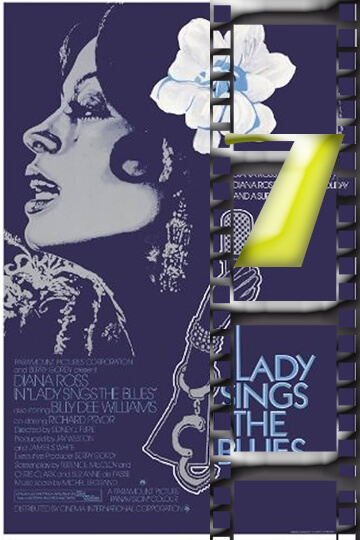
WHAT’S IT ABOUT
Pop star Diana Ross portrays legendary jazz singer Billie Holiday in this biographical drama. Beginning with Holiday’s traumatic youth, the film depicts her early attempts at a singing career and her eventual rise to stardom, as well as her difficult relationship with Louis McKay (Billy Dee Williams), her boyfriend and manager. Casting a shadow over even Holiday’s brightest moments is the vocalist’s severe drug addiction, which threatens to end both her career and her life
MOVIESinMO REVIEW
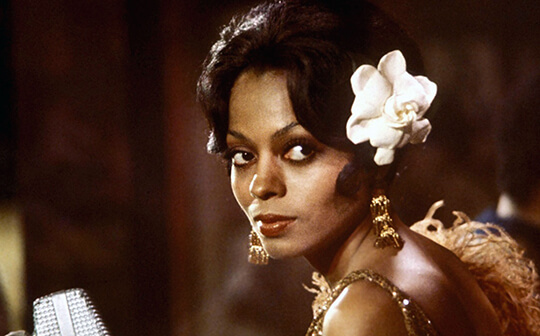
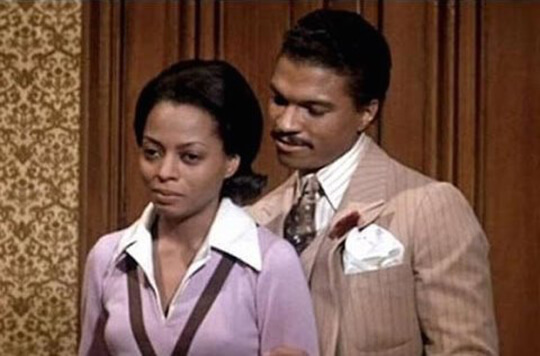
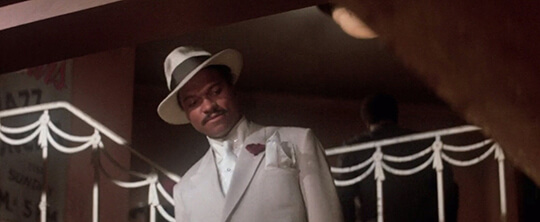
Hollywood and Black narratives never really did mix, especially ones that do not fit nicely into tidy, snug packages. So when Paramount undertook to make a movie about the life of Billie Holiday, starring Diana Ross in her first substantial movie role, I braced myself for the worst. What I received was something better, a film that does some things just right and stumbles over others in ways that matter. Let us start with what does work. Diana Ross commits to the role as if her life depended on it. Yes, she’s no Billie Holiday – nobody could be – but she brings some reality to the screen that you don’t expect. When she’s on stage singing, you forget about the Supremes for an instant and see an artist try to tap into the hurt of another artist. Her singing voice is not Holiday’s rough, smoky thing, but it has its own kind of pain that sounds authentic. The movie doesn’t hesitate to expose us to the squalid side of Holiday’s existence, and that is more than I could have asked for from a big-studio picture. We see her childhood abuse, the racism she encountered wherever she went, and the drug addiction that destroyed her. Director Sidney J. Furie makes some smart choices here, showing us how the very same industry that made Holiday iconic was the same industry that destroyed her. The shots when she is forced to go into clubs in the back door while white patrons enter the front hit you squarely in the gut. Billy Dee Williams plays Louis McKay, Holiday’s husband, and he acts with the suave charm that makes you understand why she cared for him, even when you can see the danger signals flapping. Theirs is the film’s chief focus, and it works because both actors insist on acting out love that is real but also toxic. McKay doesn’t only want to rescue Holiday but also to dominate her, and the film doesn’t whitewash that as being romantic. Where the film becomes complicated is when it depicts Holiday’s politics. The actual Billie Holiday sang “Strange Fruit” and caused white crowds to squirm on purpose. She spoke about lynching when no one else would. The movie does mention this, but they don’t actually delve into what compromised Holiday to the establishment. It’s like they wanted to tell her story but not get too many people uncomfortable with it – which misses out on seeing what she was about. The addiction plot point resonates differently when you’re viewing a Black woman’s narrative being retold by overwhelmingly white tellers. There’s always this danger of turning our agony into a spectacle for others, and sometimes, this film skates right up against that line. But Ross’s performance keeps it from going over. She shows us that Holiday’s drug use wasn’t fetishized or romanticized – survival became a kind of death. Visually, the film gets the period just right. The dress, the clubbing scenes, the way they capture that smoky, underground life where jazz existed, all of it is real. The cinematography does not try to make everything look nice. It shows the gritty clubs, the grimy hotel rooms, the places where real people had real lives that were not always filtered for Instagram. The supporting cast does well, especially Richard Pryor as Piano Man, who is humorous without ever feeling forced to be. They are characters who feel like real people Holiday might have known and not somebody’s invention to further her story. The movie is at its best when it delves into these relationships, how Holiday was attracted to other artists, and how they took care of each other in an industry that consumed Black talent. But let’s talk about what I hate. The movie sometimes focuses too much on Holiday’s suffering and not enough on her genius. We see a lot of her suffering, but we don’t see enough of her genius. Holiday was more than a victim of destiny – she was an innovator who changed the way people thought about singing. She took songs and remade them entirely in her own likeness. The movie captures this sometimes, but not enough. And then there’s the classic question of who is allowed to tell our stories. Ross does an excellent job here, but you can feel the studio hand trying to sanitize Holiday’s story for whites. They want to give us the struggle without getting whites too worked up about their part in creating the struggle. It’s the same Hollywood ploy – give us our misery, but don’t make us view why. The music rescues it all, though. When Ross gets to sing Holiday’s numbers on stage, the movie springs to life. You understand why folks couldn’t look away from Holiday and why her voice could interrupt speech and change minds. The performance sequences are electric with a vitality that makes you forget the movie’s other problems. What affected me most was the way the movie treats Holiday’s later years. Instead of letting her die a tragic, inevitable death, it introduces us to a woman who struggled until the bitter end. Holiday never gave up – the world gave up on Holiday. Ross does this wonderfully, introducing us to courage even at the worst possible times. The film succeeds as entertainment and as an introduction to the world that most people never were able to experience. It’s not a good movie, but it’s honest about matters that matter. Holiday’s story needs to be heard, and this version gets enough right to honor her memory and find listeners who would otherwise never have heard her. In the end, “Lady Sings the Blues” succeeds because it understands Holiday’s story isn’t about one woman’s struggle with addiction. It’s what happens when society places individuals in impossible situations and then blames them for doing the best they can to survive. Ross and the film crew don’t complete all of the business of informing Black stories in Hollywood, but they do make significant progress. This movie won’t have you forget the actual Billie Holiday, but maybe it will encourage you to go out and seek out her real recordings. And maybe that’s enough – using the platform of Hollywood to guide people in the direction of the real artist’s work. Holiday is owed that much, and this movie, as flawed as it is, gives it to her. In general, it is a flawed but strong film that works because of Diana Ross’s committed performance and its power to confront tough material. Worth seeing for what it gets right, even if you catch what it gets wrong.
OUR RATING – A BOLD 7