

What’s It About
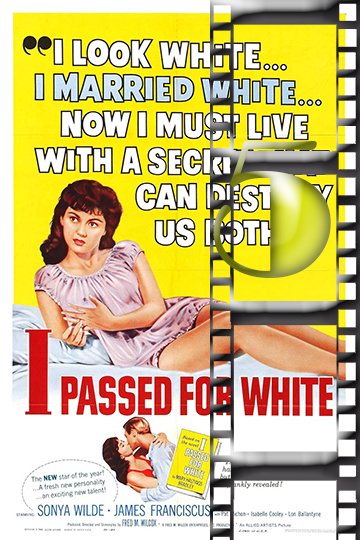
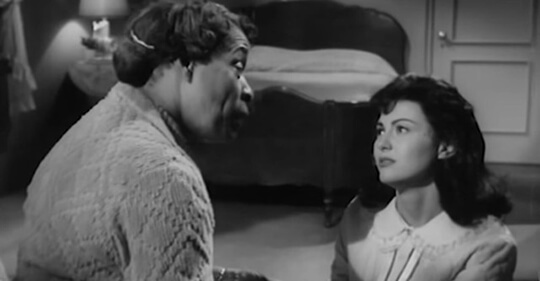
Biracial but light-skinned, Angelena Bernice Lee, quite often mistaken for being white, is shunned by both white and Black people after it’s discovered that she is biracial. Although she embraces her heritage, against her Black grandmother’s advice to live life truthfully, Bernice heads to New York to start fresh under the assumed name Lila Brownell. Almost immediately she meets and attracts the interest of Rick Leyton, who is from a prominent white New England family. After thinking long and hard about it, she accepts his marriage proposal, believing that their love for each other will see them through. Confiding only in her one true New York friend, Sally Roberts, a Caucasian, Lila builds a proverbial house of cards made up of half-truths and complete lies that has the potential to come crashing down around her.
MOVIESinMO REVIEW
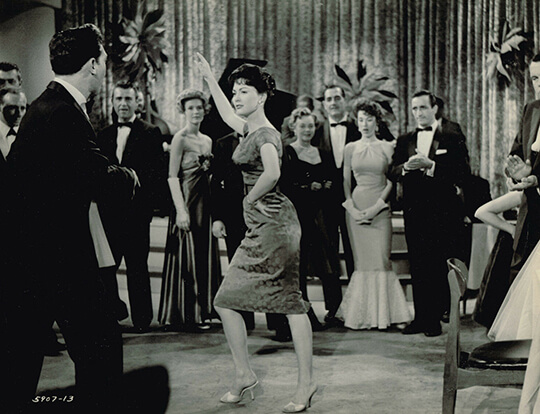
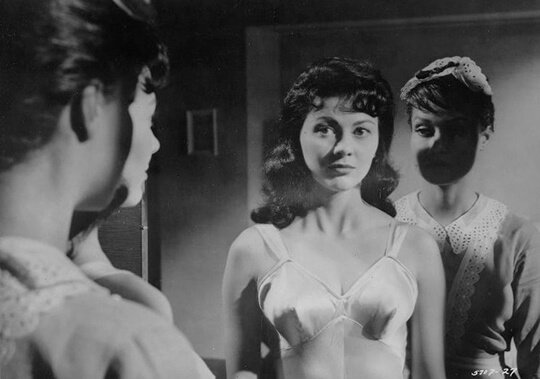
“I Passed for White” is one of those movies that makes you uncomfortable in ways the filmmakers probably didn’t intend. Released in 1960, this drama tells the story of Bernice Lee, a light-skinned Black woman who decides to leave her family in Chicago and live as a white person to escape racial discrimination. While the film tackles an important and painful part of American history, it does so in a way that feels both dated and problematic by today’s standards. The movie follows Bernice, played by Sonya Wilde, as she moves away from her family and starts a new life passing for white. She falls in love with and marries a white man, Rick, played by James Franciscus, never telling him about her true racial identity. The film shows her constant fear of being discovered, especially when she becomes pregnant and worries about what color her baby might be. Based on a memoir, the story reflects a real experience that many mixed-race people faced during the era of Jim Crow laws. Passing for white was sometimes a survival strategy for those who could do it, offering access to better jobs, housing, and social opportunities that were denied to Black Americans. The film deserves some credit for even attempting to address this complex topic in 1960, when most Hollywood movies avoided racial issues entirely. The biggest issue with “I Passed for White” is that it was made by white filmmakers who didn’t seem to understand the deeper pain and complexity of the subject they were dealing with. The movie treats Bernice’s decision to pass as mainly about wanting a better life, but it doesn’t really explore the psychological toll of denying your identity and abandoning your family. The choice of casting is even worse. Sonya Wilde – a white actor – played a Black woman. The filmmakers claimed they couldn’t find a light-skinned Black actress with the right skills. However Black actors at the time took issue with this sense of casting. Having a white actress play a Black character, even one who is passing, sends the wrong message about whose stories matter and who gets to tell them. The movie also falls into some uncomfortable territory when it focuses on Bernice’s fear about her baby’s appearance. While this fear would have been real for someone in her situation, the film handles it in a way that feels exploitative rather than thoughtful. It plays up the drama without really examining what it means. When “I Passed for White” came out in 1960, it was considered controversial enough that some newspapers refused to run advertisements for it. The film cost $250,000 to make, which was a modest budget even then. Critics and audiences seemed unsure what to make of it. Some saw it as brave for tackling racial issues, while others found it shallow and sensationalized. The movie wasn’t a major success, and it’s easy to see why. It came out during the Civil Rights Movement, when real conversations about race were happening in America. Compared to the serious activism and social change of the time, this film probably felt like it was treating important issues as entertainment. Looking at it today, the problems are even more obvious. We now understand much more about racial identity, the harm of colorism, and the importance of authentic representation in movies. What might have seemed progressive in 1960 now looks tone-deaf and problematic. Sonya Wilde does her best with the role, and she brings a certain vulnerability to Bernice that makes you feel for her character, even when the script doesn’t give her much to work with. James Franciscus is adequate as her husband, though his character is pretty one-dimensional. The supporting cast, including Patricia Michon and Isabel Cooley, do what they can with limited material. The direction by Fred M. Wilcox is competent but uninspired. The movie looks like a typical low-budget drama from the era, with nothing particularly memorable about the cinematography or production design. The pacing is sometimes slow, and the dialogue often feels stiff and unrealistic. Honestly, most modern audiences would probably find “I Passed for White” hard to watch, and not in a good way. The film’s approach to racial identity feels outdated and insensitive. Younger viewers especially, would likely be put off by the white actress playing a Black character and the superficial treatment of such a serious topic. However, the movie might have some value for film students or people interested in how Hollywood dealt with race in the past. It’s a time capsule that shows how far we’ve come, but also how much work there still is to do. Some viewers might appreciate it as a historical curiosity, but it’s not something most people would enjoy as entertainment. “I Passed for White” exists in a long tradition of “passing” films, including classics like “Imitation of Life” and “Pinky.” While those films had their own problems, they were generally made with more skill and sensitivity. More recent films like Rebecca Hall’s “Passing” (2021) show how these stories can be told with much more nuance and authenticity. The film from 1960 feels like it missed an opportunity. Racial passing, as a subject, deserves to be examined seriously and thoughtfully while dealing with the psychological and social costs. Instead, this movie approaches the subject more like a melodrama, with all of the action at the surface of our shared humanity. ie, “I Passed for White” is a film that is more interesting to think about than to actually watch. It represents a time when Hollywood was just beginning to grapple with racial issues, but it shows how much the industry still had to learn. While it deserves some credit for attempting to address an important topic, it ultimately fails to do justice to the complex experiences of people who lived through these situations. As a historical document, it has some value in showing how racial identity was understood and portrayed in 1960. As entertainment, it feels dated and problematic. As a genuine exploration of its important topic, it does not do justice to the story. The film reminds us that good intentions are not enough to tackle sensitive topics. It truly takes understanding, authentic voices, and careful examination to tell these stories properly. “I Passed for White” had the right idea but lacked the insight and sensitivity to pull it off successfully. For modern viewers, there are better films that explore similar themes with more depth and authenticity. This one is probably best left to film historians and scholars rather than general audiences looking for meaningful entertainment about racial identity and belonging in America.
OUR RATING – A COMPLEX 5