
WHAT’S IT ABOUT
Bob is a washed-up revolutionary who lives in a state of stoned paranoia, surviving off-grid with his spirited and self-reliant daughter, Willa. When his evil nemesis resurfaces and Willa goes missing, the former radical scrambles to find her as both father and daughter battle the consequences of their pasts.
MOVIESinMO REVIEW
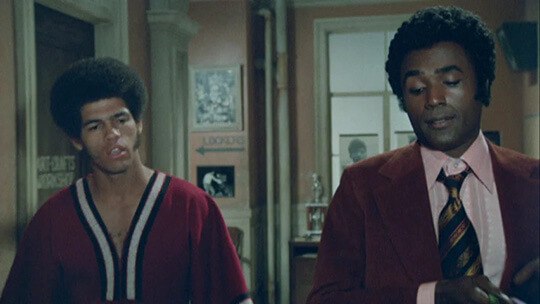
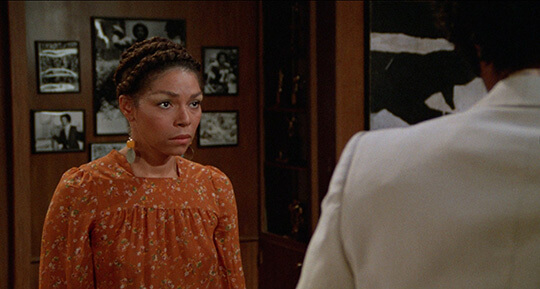
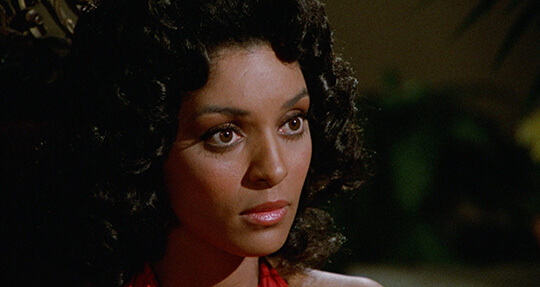
When I first heard about “Melinda” from 1972, I’ll be real with you—I had no idea what I was getting into. This Calvin Lockhart vehicle sits in this weird space in Black cinema history where it’s not quite as celebrated as “Shaft” or “Super Fly,” but it’s trying to do something similar. And after watching it, I got to say, this film is complicated in ways that make you think about where we were as Black folks in the early seventies and where we are now. The movie follows Calvin Lockhart playing Frankie J. Parker, a smooth DJ who gets caught up in a murder mystery after his girlfriend, Melinda, gets killed. From jump, you can tell this was made during that blaxploitation era, but it’s trying to be a little more sophisticated than some of its peers. Lockhart plays Parker as this suave, intelligent brother who’s not just some stereotype. He’s got his own radio show, he’s articulate, and he moves through both Black and white spaces with confidence. Back in 1972, just seeing a Black man portrayed this way on screen meant something. Now, when this film came out, the reviews were mixed, and honestly, that tells you a lot about who was doing the reviewing. Mainstream critics—mostly white folks—didn’t really know what to do with these Black-led films that weren’t asking for white approval. Some dismissed it as just another exploitation flick trying to cash in on the success of “Shaft.” Others praised Lockhart’s performance but said the plot was convoluted. The Black press and Black audiences were more receptive because they understood what it meant to see ourselves as leading men, as complex characters who could carry a mystery thriller. We weren’t just the sidekick or the comic relief. We were the whole show. Looking at “Melinda” through today’s lens, though, things get interesting. On one hand, you can see how groundbreaking it was for its time. Lockhart’s character is intelligent, romantic, and driven. He’s not a pimp, he’s not a hustler in the traditional sense—he’s a legitimate businessman trying to solve a crime and get justice for his woman. The film also showcases Black Los Angeles in a way that feels authentic. You see our communities, our nightlife, our style. The fashion alone is worth watching this movie for. Those turtlenecks, those leather jackets, the whole aesthetic is incredibly cool even today. But here’s where it gets tricky. The film still has elements that feel dated and problematic by today’s standards. The treatment of women in the movie is rough. Melinda herself is more of a plot device than a fully realized character. She exists to be beautiful, to be desired, and then to be killed so our hero can go on his revenge mission. The other women in the film don’t fare much better. They’re either objects of desire or obstacles. This was unfortunately typical of the era, but it hits different when you’re watching it in 2025, knowing what we know now about representation and how Black women deserve better than being props in Black men’s stories. The violence in the film is another thing. Back in 1972, this probably felt edgy and real. Today, some of it feels gratuitous in a way that makes you uncomfortable. There’s a particularly brutal scene that I won’t spoil, but it made me wince because the camera lingers in a way that feels exploitative rather than necessary to the story. The film walks this line between being a serious thriller and being exploitation, and sometimes it falls on the wrong side of that line. Would this film be acceptable viewing today? That depends on who you ask and what you mean by acceptable. If you’re asking whether it should be banned or hidden away, absolutely not. This is part of our history as Black people in cinema. It represents a moment when we were fighting for space on screen and behind the camera. Director Hugh A. Robertson was a Black filmmaker, and that matters. We were telling our own stories, even if those stories weren’t perfect. But if you’re asking whether we should hold it up as a model for contemporary Black cinema, that’s a different question. We’ve evolved. We know now that Black excellence doesn’t have to be wrapped up in violence and machismo. We know that Black women deserve to be full characters, not just motivations for male protagonists. We’ve seen “Moonlight” and “If Beale Street Could Talk” and “The Woman King.” We know we can do better. Would people today like it? Here’s my honest take: it depends on the audience. Film buffs and people interested in Black cinema history would appreciate it for what it represents. The cinematography is actually quite good, and there are moments of genuine style and creativity. Young people who grew up on modern action films might find it slow and dated. The pacing is different from what we’re used to now. Things take time to develop. There’s a lot of dialogue and mood-setting that contemporary audiences might find boring. Black audiences today might have mixed feelings. There’s pride in seeing Calvin Lockhart command the screen with that much charisma and seeing Black folks front and center in a Hollywood production. But there’s also frustration at the limitations of the era, at how even in our own stories, we were still working within frameworks that limited us. If I’m rating this film, I’ve got to give it two scores. As a historical document and for what it meant in 1972, I’d give it a seven out of ten. It was important, it was bold, and it gave us representation we desperately needed. But judged purely as a film by today’s standards, knowing what cinema can be and what we deserve as Black viewers, I’d give it a five out of ten. It’s watchable, it’s interesting, but it’s flawed in ways that we can’t ignore anymore. The real value of “Melinda” today is as a teaching tool. It shows us where we’ve been and how far we’ve come. It reminds us that progress in representation is real, even if it’s slower than we’d like. Watch it if you’re curious about Black film history, but watch it with a critical eye.
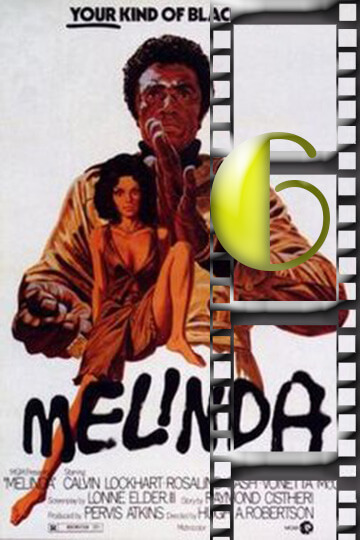
OUR RATING – A DESERVING 6